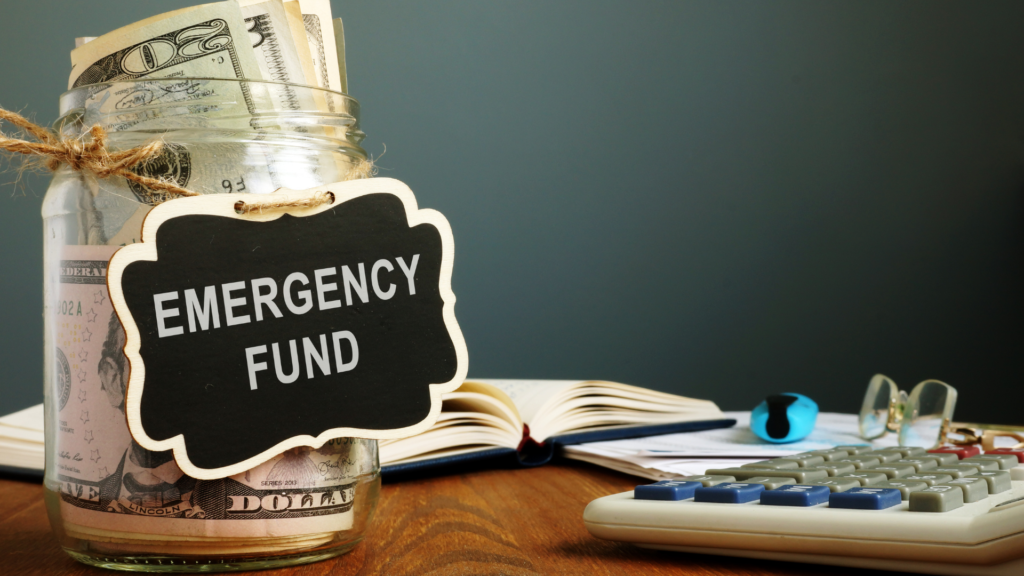
When people start learning about money, the first advice they usually hear is: “Start investing early.” While that advice is not wrong, it’s often incomplete. Many people rush into investing without building a basic financial safety net — and that mistake costs them more than any bad investment ever could.
In 2025, financial uncertainty is part of everyday life. Jobs change faster, medical costs rise suddenly, and unexpected expenses appear without warning. In such an environment, an emergency fund is not optional — it’s essential.
This blog explains why building an emergency fund should come before investing, how it protects your finances, and how to build one realistically — even if your income is limited.
What Is an Emergency Fund (In Simple Terms)?
An emergency fund is money set aside only for unexpected situations, such as:
Medical emergencies
Job loss or salary delay
Urgent home or vehicle repairs
Family emergencies
Sudden unavoidable expenses
This money is not for:
Shopping
Travel
Festivals
Investments
Lifestyle upgrades
Its only job is to protect you when life doesn’t go as planned.
Why Most People Ignore Emergency Funds
Despite its importance, many people delay or skip emergency savings. Common reasons include:
“I’ll start after my income increases”
“I’m young, nothing will happen”
“I’d rather invest and grow money”
“I don’t have enough to save”
Ironically, these exact thoughts are what keep people financially stressed later.
The Biggest Myth: Investing Will Save You in an Emergency
Investments are great — but they are not emergency-friendly.
Here’s why relying on investments during emergencies is risky:
Markets may be down when you need money
Selling investments early can cause losses
Withdrawals may take time
You break long-term growth plans
Emotional decisions lead to bad timing
An emergency fund gives you instant access without losses or stress.
Why Emergency Funds Come Before Investing
Let’s be very clear:
👉 Emergency funds protect your life. Investments grow your wealth.
Protection always comes first.
Here’s what happens without an emergency fund:
You use credit cards
You take high-interest loans
You break long-term investments
You panic financially
You feel insecure even when earning well
An emergency fund creates stability. Stability allows growth.
How Much Emergency Fund Do You Really Need?
You don’t need a huge amount immediately.
A realistic guideline:
3 months of basic expenses (minimum)
6 months (ideal for stability)
Basic expenses include:
Rent or EMI
Food
Utilities
Transport
Medicines
Essentials
This is not luxury money — it’s survival money.
Where Should You Keep Your Emergency Fund?
Emergency money must be:
Safe
Easily accessible
Low-risk
Best places:
Savings account
Liquid mutual funds
Short-term deposits
Avoid:
Stocks
Long-term investments
Locked-in schemes
Emergency funds are not about returns — they’re about availability.
How an Emergency Fund Improves Mental Peace
This is the part people rarely talk about.
When you have an emergency fund:
You sleep better
You make calmer decisions
You’re not scared of unexpected bills
You negotiate better at work
You don’t tolerate bad situations out of fear
Money security is emotional security.
Real-Life Example: Emergency Fund vs No Emergency Fund
Two people earn the same income.
Person A has no emergency fund.
Person B has 4 months of expenses saved.
When an unexpected medical bill arrives:
Person A uses credit cards and loans
Person B uses savings calmly
Same income. Completely different stress levels.
Why Emergency Funds Matter Even More in 2025
In today’s world:
Job markets change quickly
Medical costs rise unexpectedly
Freelance and gig income is unstable
Online income fluctuates
Economic uncertainty is real
An emergency fund acts like personal insurance — without paperwork.
How to Build an Emergency Fund (Even on Low Income)
You don’t need to build it overnight.
Step 1: Start Small
Even ₹500–₹1,000 per month is enough to begin.
Step 2: Automate Savings
Set up automatic transfers so you don’t skip months.
Step 3: Keep It Separate
Do not mix it with spending or investment accounts.
Step 4: Increase Gradually
Whenever income increases, add more to emergency savings first.
Consistency matters more than amount.
Common Mistakes People Make With Emergency Funds
Avoid these:
Using emergency money for shopping
Investing emergency funds for higher returns
Keeping it locked in long-term schemes
Not replenishing after use
Treating it like extra money
Emergency funds need discipline.
When Should You Start Investing Then?
Start investing when:
You have at least 3 months of emergency savings
Your expenses are under control
You won’t panic during market fluctuations
Once your foundation is strong, investing becomes stress-free and effective.
Emergency Fund vs Insurance (Both Are Needed)
Insurance and emergency funds are not replacements.
Insurance covers specific risks
Emergency funds cover everything else
Medical insurance + emergency savings = complete safety.
Why People With Emergency Funds Build Wealth Faster
This sounds surprising, but it’s true.
People with emergency funds:
Avoid debt
Don’t break investments
Take smarter risks
Stick to long-term plans
Stay consistent
Stability accelerates growth.
A Simple 90-Day Emergency Fund Plan
Month 1
Track expenses
Decide monthly saving amount
Month 2
Automate emergency savings
Cut unnecessary spending
Month 3
Reach at least 1 month of expenses
Review and adjust goal
Small steps create strong foundations.
Final Thoughts: Safety Before Speed
Everyone wants fast growth. But fast growth without safety leads to crashes.
An emergency fund won’t make you rich —
but it will protect everything you’re building.
Before chasing returns, chase stability.
Before growing money, protect your peace.
That’s real financial wisdom — especially in 2025.