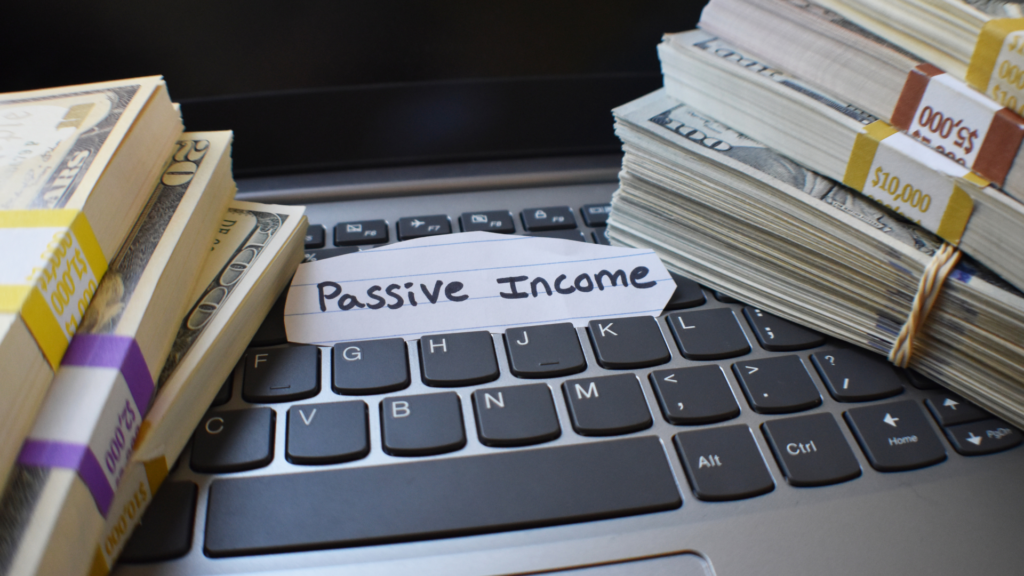
Understanding the reality behind passive income
Passive income is often promoted as money that flows in without effort. Social media posts and ads make it look like a one-time setup followed by lifetime earnings. This idea attracts many people who want financial freedom without ongoing work. However, the reality is very different. Passive income is not effort-free; it is effort-shifted.
Most passive income streams require significant time, learning, and consistency in the beginning. The “passive” part usually comes later, after systems are built and refined. Understanding this reality helps avoid disappointment and unrealistic expectations.
Why passive income is misunderstood
Passive income sounds appealing because it suggests freedom from daily effort. This misunderstanding comes from oversimplified success stories that skip the hard parts. People see the result but not the years of work behind it.
When expectations are unrealistic, people quit too early. Passive income works best for those who treat it as a long-term project rather than a quick shortcut.
The difference between active income and passive income
Active income requires direct time exchange for money. If you stop working, income stops. Passive income aims to reduce this dependency by building assets that continue to generate income over time.
However, passive income usually starts as active work. Writing content, building platforms, learning skills, or creating products all require effort before they generate returns.
Why “easy money” thinking leads to failure
The biggest mistake beginners make is chasing ease instead of sustainability. Easy money ideas often collapse quickly or turn out to be scams. Real passive income demands patience and discipline.
Those who expect fast results often abandon projects just before momentum builds. Long-term thinking separates successful earners from frustrated quitters.
How passive income actually becomes passive
Income becomes passive only after systems are established. A blog becomes passive after consistent content builds traffic. Investments become passive after capital is built. Digital products become passive after trust and audience are created.
This process takes time. The passive stage is earned, not given.
Why passive income still needs maintenance
Even established passive income streams require monitoring. Algorithms change, markets shift, and user behavior evolves. Ignoring maintenance can reduce income over time.
Light involvement ensures stability. True passivity is rare; smart management keeps income flowing.
The role of patience in passive income success
Passive income rewards patience more than intelligence. Slow growth is normal in the early stages. Many successful projects show little progress at first.
Staying consistent during slow phases allows compounding to take effect. Patience turns small efforts into long-term rewards.
Why online passive income attracts beginners
Online platforms lower entry barriers. Blogging, affiliate marketing, digital products, and content creation can start with minimal investment. This accessibility makes online passive income attractive.
However, accessibility also increases competition. Standing out requires value, consistency, and persistence.
Why passive income is safer when diversified
Relying on one passive income source can be risky. Platform changes or market shifts can reduce earnings suddenly. Diversification spreads risk.
Multiple streams create stability and protect against sudden drops. This approach aligns with long-term financial security.
The connection between passive income and skills
Passive income is built on skills. Writing, marketing, design, analysis, or problem-solving all contribute. Developing skills increases earning potential.
Skill-based income scales better than luck-based opportunities. This makes learning a critical investment.
Why passive income does not replace discipline
Some believe passive income removes the need for discipline. In reality, discipline becomes more important. Consistency, planning, and reinvestment drive success.
Without discipline, income stagnates or disappears. Passive income thrives on routine and responsibility.
How passive income supports financial freedom
Financial freedom is about choice, not inactivity. Passive income creates options. It reduces dependency on fixed schedules and single income sources.
This flexibility improves life quality. Passive income supports freedom rather than replacing effort entirely.
Why passive income should start alongside active income
Starting passive income while relying on active income reduces pressure. This allows experimentation without financial stress.
Building gradually prevents rushed decisions and burnout. Stability supports sustainable growth.
The emotional side of building passive income
Early stages often feel discouraging. Effort without visible returns tests confidence. Emotional resilience becomes essential.
Understanding that delay is normal helps maintain motivation. Emotional discipline supports long-term success.
Why consistency matters more than intensity
Many people work intensely for short periods and then stop. Passive income rewards steady, consistent effort instead. Small daily actions compound over time.
Consistency builds systems. Systems create income.
How reinvestment accelerates passive income
Reinvesting earnings strengthens growth. Whether improving content, marketing, or tools, reinvestment compounds progress.
This strategy accelerates the transition from active effort to passive returns.
Why passive income is not “set and forget”
Even mature income streams benefit from optimization. Updating content, analyzing performance, and adapting strategies maintain relevance.
Active attention at the right time protects long-term earnings.
Passive income and financial security
Passive income adds security by reducing reliance on one source. It acts as a financial buffer during uncertainty.
Security improves confidence and decision-making. Passive income supports stability when planned wisely.
Why realistic expectations matter
Expecting slow progress reduces frustration. Passive income is a marathon, not a sprint. Realistic timelines improve persistence.
Those who stay patient outperform those chasing speed.
How passive income changes mindset
Building passive income shifts focus from consumption to creation. This mindset encourages long-term thinking and value building.
This mental shift benefits all areas of finance.
The long-term impact of passive income
Over time, passive income compounds into meaningful support. Even modest streams grow into significant contributors.
This gradual growth creates sustainable financial strength.
Why passive income is worth the effort
Despite challenges, passive income offers freedom, flexibility, and security. The upfront effort pays off over years.
Those who commit experience lasting benefits beyond money.
Passive income and lifestyle balance
Passive income supports balance by reducing financial pressure. It allows better time allocation without sacrificing stability.
Balance improves quality of life and satisfaction.
Final thoughts on passive income
Passive income is not magic or easy money. It is structured effort with delayed rewards. When built patiently and managed wisely, it becomes powerful.
The key is understanding reality, staying consistent, and focusing on long-term value rather than shortcuts.